

What, Who, and Why It Matters
Many organisations don't realise they operate in a hazardous environment until a workplace audit or WorkSafe inspection identifies the risk.
In recent years, more businesses have been required to review the devices used within their operations, particularly in environments involving alcohol production, paints, solvents, thinners and chemical handling. The challenge is that hazardous areas are not limited to high-risk industries such as mining, oil and gas. They can exist in a wide range of workplaces, making it critical to understand when intrinsically safe technology may be required.
What is an intrinsically safe device?
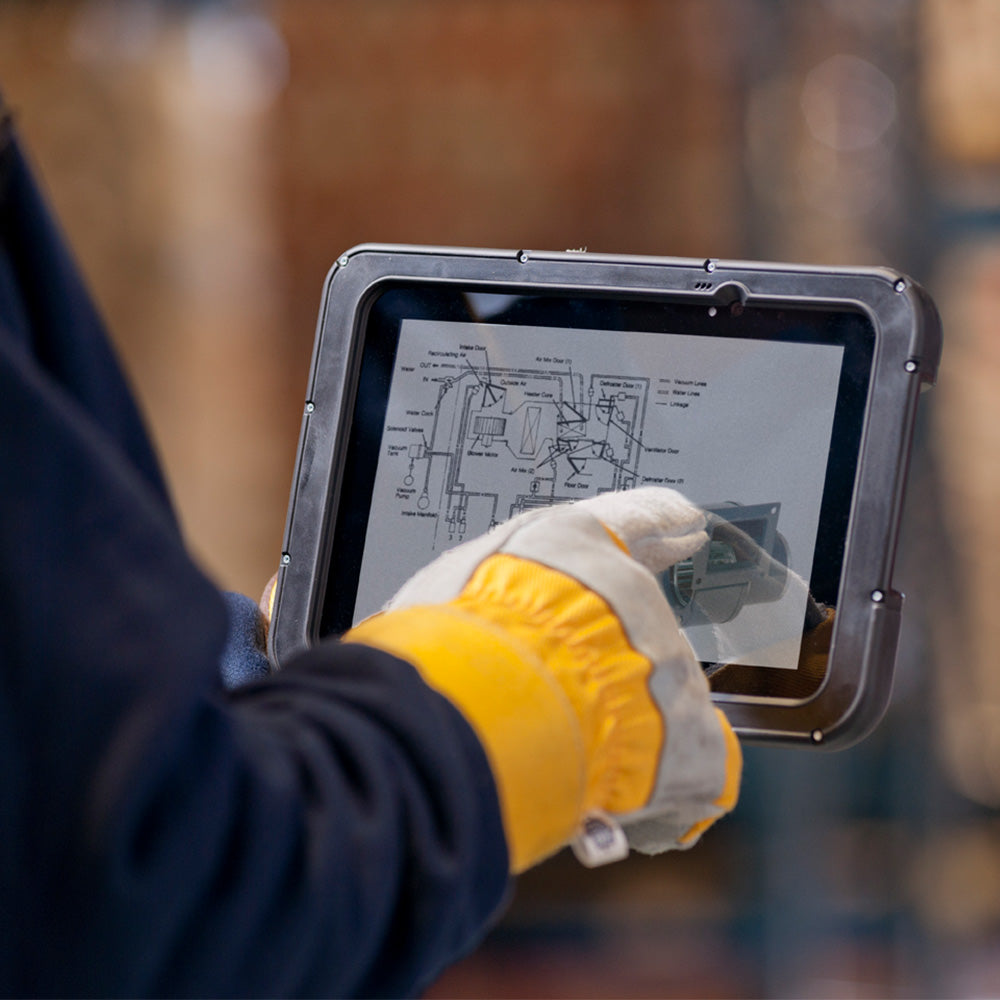
Intrinsically safe (IS) devices are designed to operate in hazardous environments without generating enough electrical or thermal energy to ignite flammable gases, vapours, liquids or combustible dusts.
This is particularly important for mobile technology such as handheld computers, tablets, scanners and smartphones, which can otherwise become a potential ignition source if used in the wrong environment.


Hazardous areas exist in more places than you think
Many people associate explosion risks with refineries or mining sites, but hazardous atmospheres can be found across a much broader range of industries.
Food and beverage production facilities may handle combustible materials such as milk powders, grain dust or flour. Manufacturers may work with paints, coatings, solvents and thinners. Ethanol production, chemical processing, automotive workshops, fuel handling operations and warehouses storing hazardous materials can also present risks.
The reality is that it doesn't take a large quantity of flammable material to create a hazardous area. Dusts, vapours and gases can all become ignition sources under the right conditions.
Understanding hazardous area zones
Hazardous areas are classified according to how often an explosive atmosphere is likely to be present.
- Zone 0 is an area where an explosive atmosphere is present continuously or for long periods.
- Zone 1 is an area where an explosive atmosphere is likely to occur during normal operations. This might be because of repair, maintenance operations, or leakage.
- Zone 2 is an area where an explosive atmosphere is not normally present but may occur occasionally and for short periods.
The classification of the area determines what type of equipment can be used safely within that environment.

Intrinsically safe, explosion-proof and non-incendive: What's the difference?
These terms are often used interchangeably, but they refer to different methods of protecting equipment in hazardous environments.
- Intrinsically safe devices prevent ignition by limiting the electrical and thermal energy available, ensuring there is insufficient energy to ignite a hazardous atmosphere.
- Explosion-proof equipment is designed to contain any internal explosion and prevent flames or hot gases from escaping and igniting the surrounding environment.
- Non-incendive equipment is intended for lower-risk hazardous areas, where it is designed not to ignite a hazardous atmosphere under normal operating conditions.
Choosing the wrong type of protection can result in serious safety, compliance and operational risks.
Why selecting the right equipment matters
Choosing equipment for hazardous areas isn't simply a matter of selecting an intrinsically safe device. Organisations must also ensure the equipment is certified for use in the relevant environment.
One common source of confusion is certification. Many organisations assume ATEX-certified equipment can automatically be used in Australia. However, Australian hazardous area requirements typically reference IECEx certification schemes, making it essential to confirm equipment meets the appropriate local standards and site requirements.
Importantly, determining whether intrinsically safe equipment is required is not a decision organisations should make on their own. Hazardous area classifications should be undertaken by appropriately qualified specialists, with guidance from workplace safety authorities where required.
Using unsuitable or incorrectly certified equipment can have serious consequences. Beyond the obvious risks of fire, explosion, injury or loss of life, businesses may also face production downtime, regulatory investigations, financial penalties, insurance complications and long-term reputational damage. While regulators can provide guidance on hazardous area requirements, organisations remain responsible for ensuring the equipment they deploy is suitable for the environment.

Intrinsically safe mobility solutions from insignia
insignia now offers intrinsically safe mobile computers, tablets and scanners. These rugged devices are certified for hazardous environments, including IECEx and ANZEx certified models suitable for Zone 1/21 and Zone 2/22 applications.
Combined with insignia's expertise in enterprise mobility solutions, organisations can access the devices they need to help support safe, compliant and productive operations.
Need help selecting the right device for your environment? Contact us today or explore our range of intrinsically safe mobile computers, tablets and scanners today.