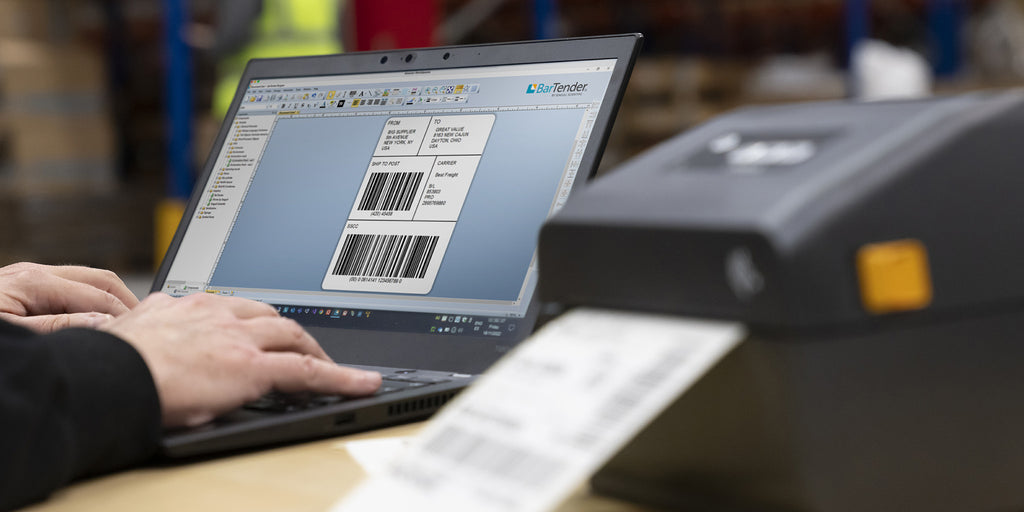
Design barcode labels with BarTender
Having the right software package will make all the difference when printing your own barcode labels. BarTender Software enables businesses to improve security, efficiency and compliance in their labelling and barcoding processes. Create labels, create barcodes, automate your labelling and much more.
Barcoding Basics
Barcoding can seem like a daunting concept - and if not done correctly it can cause significant operational, financial and legal costs. Therefore, high quality barcodes are critical for 100% accuracy and traceability throughout the distribution process.
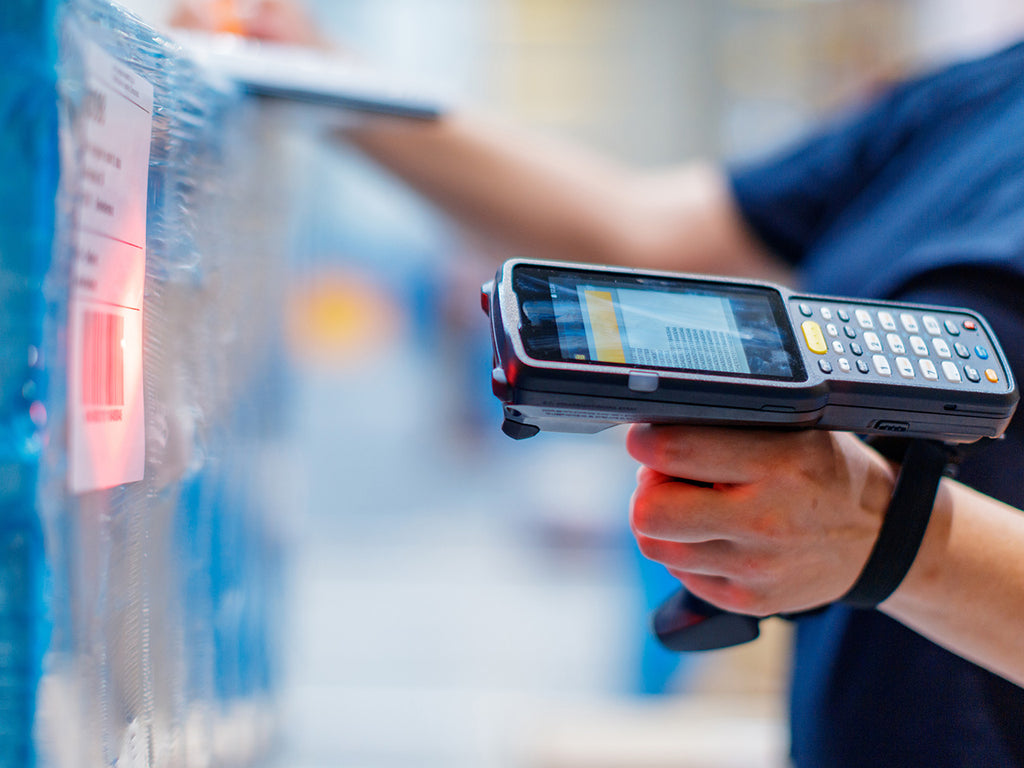
Ensuring aspects such as size, colour, location and material are correct will protect the quality of your barcode and make sure it scans first time, every time.
As a GS1 Strategic Alliance Partner, our expert team are equipped with the knowledge and training to provide compliant barcoding solutions. Read our full guide to ensuring GS1 compliant barcodes.
A new dimension in barcodes
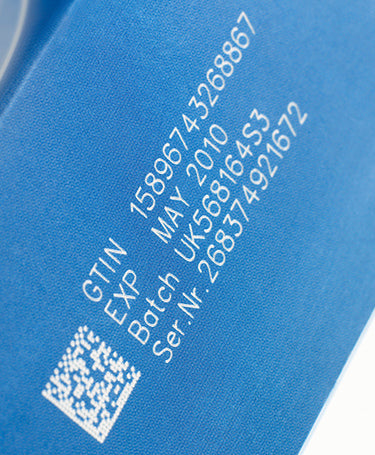
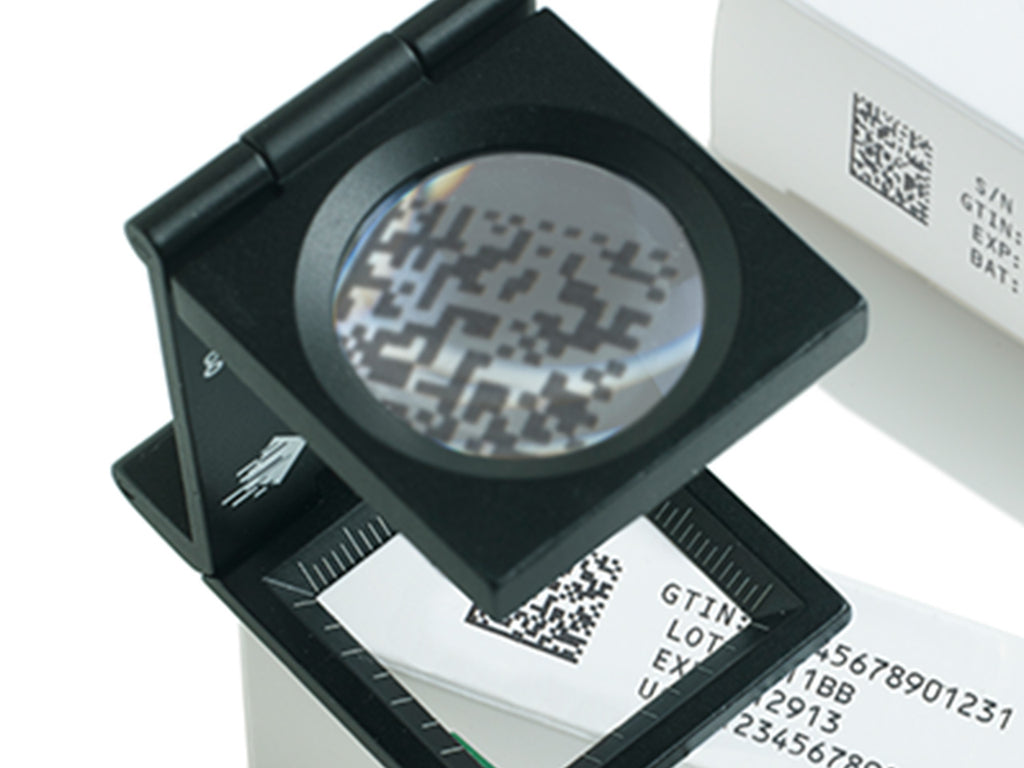
The one-dimensional (1D) barcode, such as EAN/UPC, has helped retailers supply name and pricing information for products for decades. However, the industry is moving towards a two-dimensional (2D) barcode that can store more data. All businesses have unique processes and systems which will require different paths moving forward with Sunrise 2027.
Looking to get started? As a GS1 alliance partner, insignia’s experts can assist in preparing your organisation and your scanning systems to accept 2D barcodes.
What is Sunrise 2027?
2027 is the date set by global industry when all retail point-of-sale systems will aim to scan 2D barcodes worldwide.
Industry is moving toward two-dimensional (2D) barcodes that can carry wealth of information in contrast to EAN/UPC barcodes, also known as the one-dimensional or 1D, barcodes. The industry has set a date to make the transition to accepting 2D barcodes at point-of-sale (POS) which is referred to as Sunrise 2027. During the transition, there will be trials of a combination of EAN/UPC and an optional 2D barcode due to some items not requiring additional data beyond the GTIN to the product. 1D barcodes will still be used and coexist for as long as there are uses for them and the shift to 2D barcodes is purely industry driven.