
Barcoding Basics
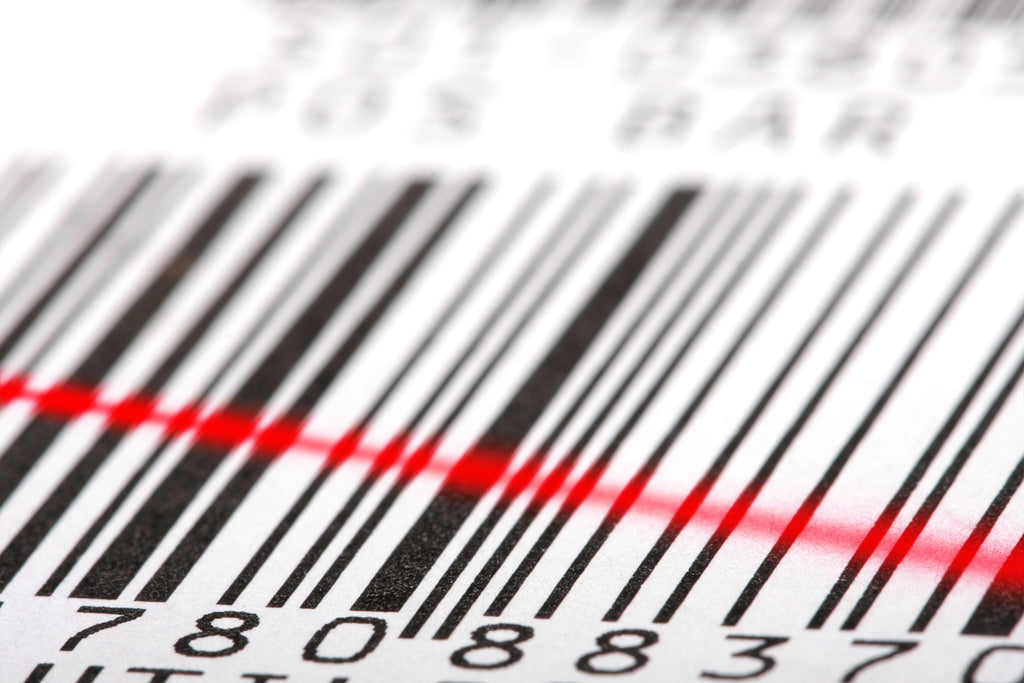
Barcoding can seem like a daunting concept - and if not done correctly it can cause significant operational, financial and legal costs. Therefore, high quality barcodes are critical for 100% accuracy and traceability throughout the distribution process.
Ensuring aspects such as size, colour, location and material are correct will protect the quality of your barcode and make sure it scans first time, every time.
As a GS1 Strategic Alliance Partner, our expert team are equipped with the knowledge and training to provide compliant barcoding solutions. Read our full guide to ensuring GS1 compliant barcodes.

A new dimension in barcodes
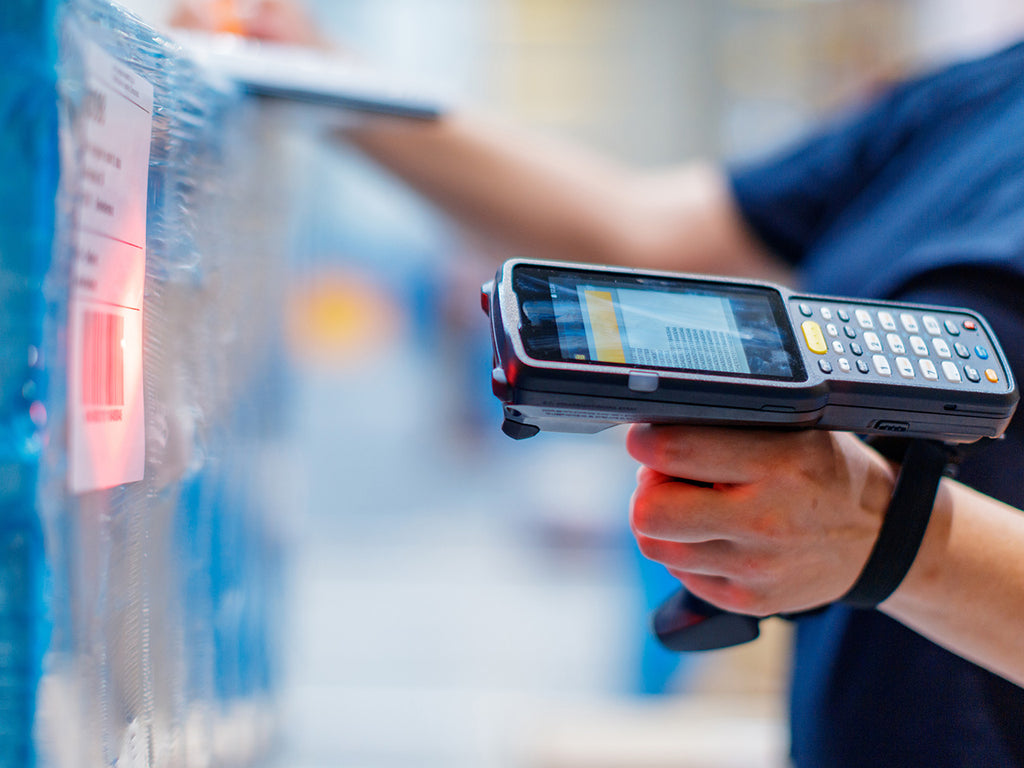
The one-dimensional (1D) barcode, such as EAN/UPC, has helped retailers supply name and pricing information for products for decades. However, the industry is moving towards a two-dimensional (2D) barcode that can store more data. All businesses have unique processes and systems which will require different paths moving forward with Sunrise 2027.
Looking to get started? As a GS1 alliance partner, insignia’s experts can assist in preparing your organisation and your scanning systems to accept 2D barcodes.
What is Sunrise 2027?
2027 is the date set by global industry when all retail point-of-sale systems will aim to scan 2D barcodes worldwide.
Industry is moving toward two-dimensional (2D) barcodes that can carry wealth of information in contrast to EAN/UPC barcodes, also known as the one-dimensional or 1D, barcodes. The industry has set a date to make the transition to accepting 2D barcodes at point-of-sale (POS) which is referred to as Sunrise 2027. During the transition, there will be trials of a combination of EAN/UPC and an optional 2D barcode due to some items not requiring additional data beyond the GTIN to the product. 1D barcodes will still be used and coexist for as long as there are uses for them and the shift to 2D barcodes is purely industry driven.
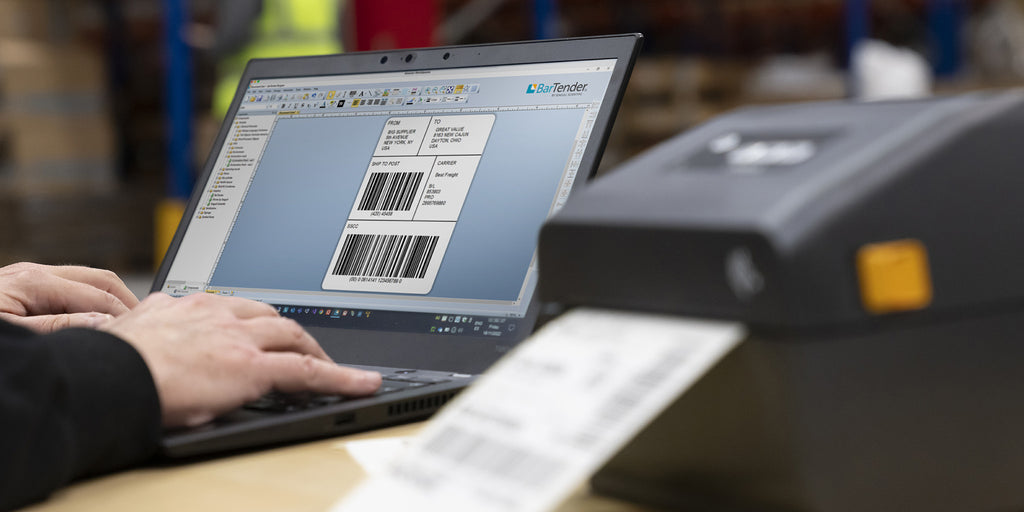
Design barcode labels with BarTender
Having the right software package will make all the difference when printing your own barcode labels. BarTender Software enables businesses to improve security, efficiency and compliance in their labelling and barcoding processes. Create labels, create barcodes, automate your labelling and much more.
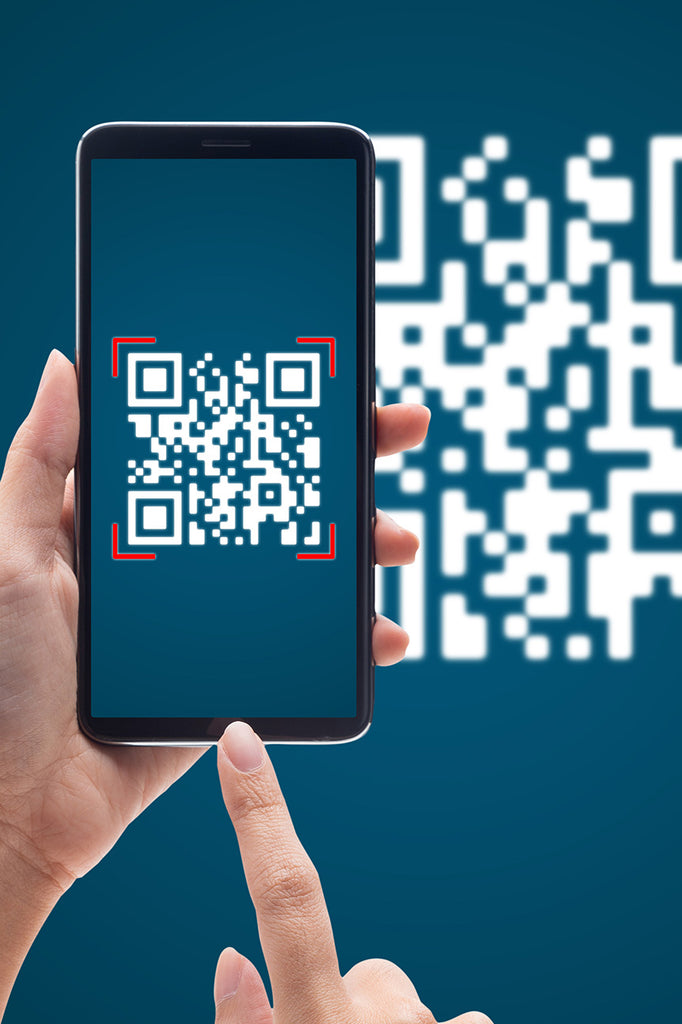
What is a 2D Barcode?
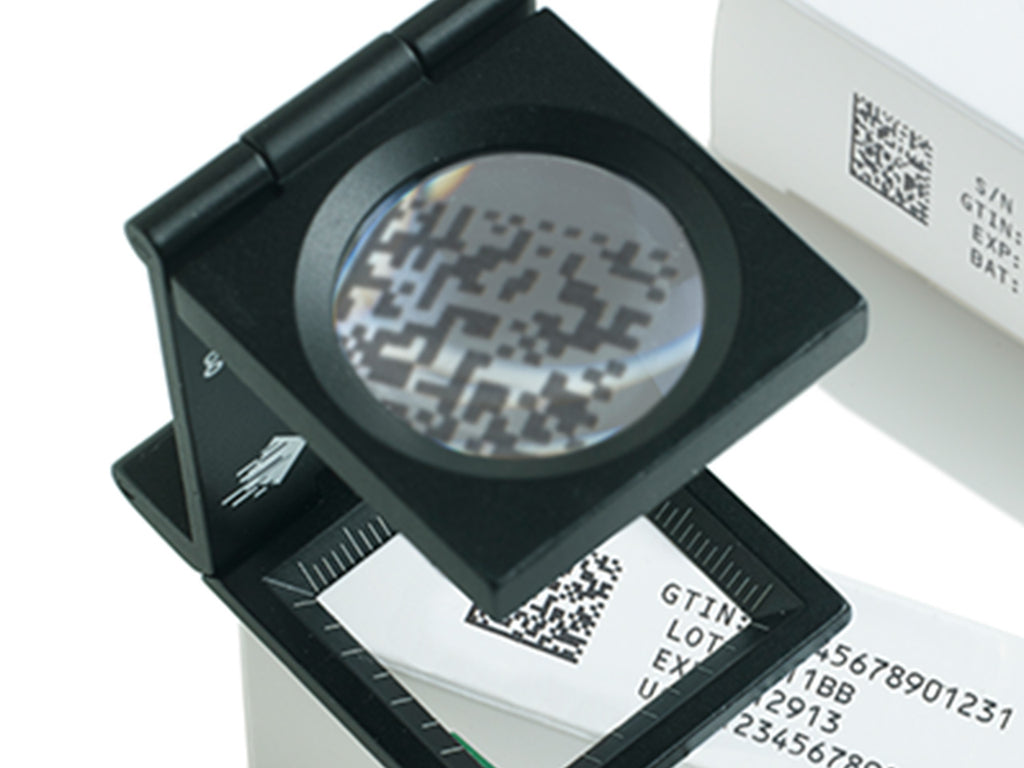
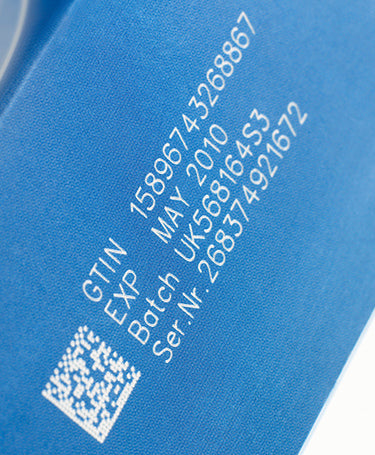
Two-dimensional (2D) barcodes look like squares or rectangles that contain patterns of squares, hexagons, dots, and other shapes to encode data and carries substantially more information than traditional 1D barcodes. Common examples that most people have used are QR codes and Data Matrix codes. They store more data and can be read using barcode readers or smartphone cameras. However, due to varying scanner capabilities, not all barcode readers can read 2D which is why GS1 is rolling out the GS1 US Barcode Capabilities Test Kits to identify gaps in scanning and processing 2D barcodes.
A single 2D barcode can hold a significant amount of information and may remain readable even when printed at a small size or etched onto a product. 2D barcodes are applicable for a wide range of industries, from grocery, manufacturing and warehousing to logistics and healthcare.
1D vs 2D Barcodes
The difference between 1D and 2D barcodes begin with their appearance. While 1D barcodes have black and white contrasting vertical lines, 2D barcodes are built with black and white squares or dots. Both serve distinct purposes – 1D codes have offered price lookup functionality for decades. However, 2D codes can be used to store much larger amounts of data about products, traceability, authentication and more. These abilities of a 2D barcode improve inventory management, enhance recall readiness, greater sustainability and ethical sourcing, better product authentication and greater brand trust.
It’s also important to understand the difference between GS1 Datamatrix and Datamatrix barcodes. While both barcodes look the same, the GS1 DataMatrix begins with the special start sequence FNC1. The FNC1 turns a DataMatrix code into a GS1 DataMatrix code. It tells scanners that the code is structured in accordance with GS1 standards and how to interpret the data. A scanner will generate an error message if it is expecting a GS1 DataMatrix code, but the label only contains a DataMatrix code.